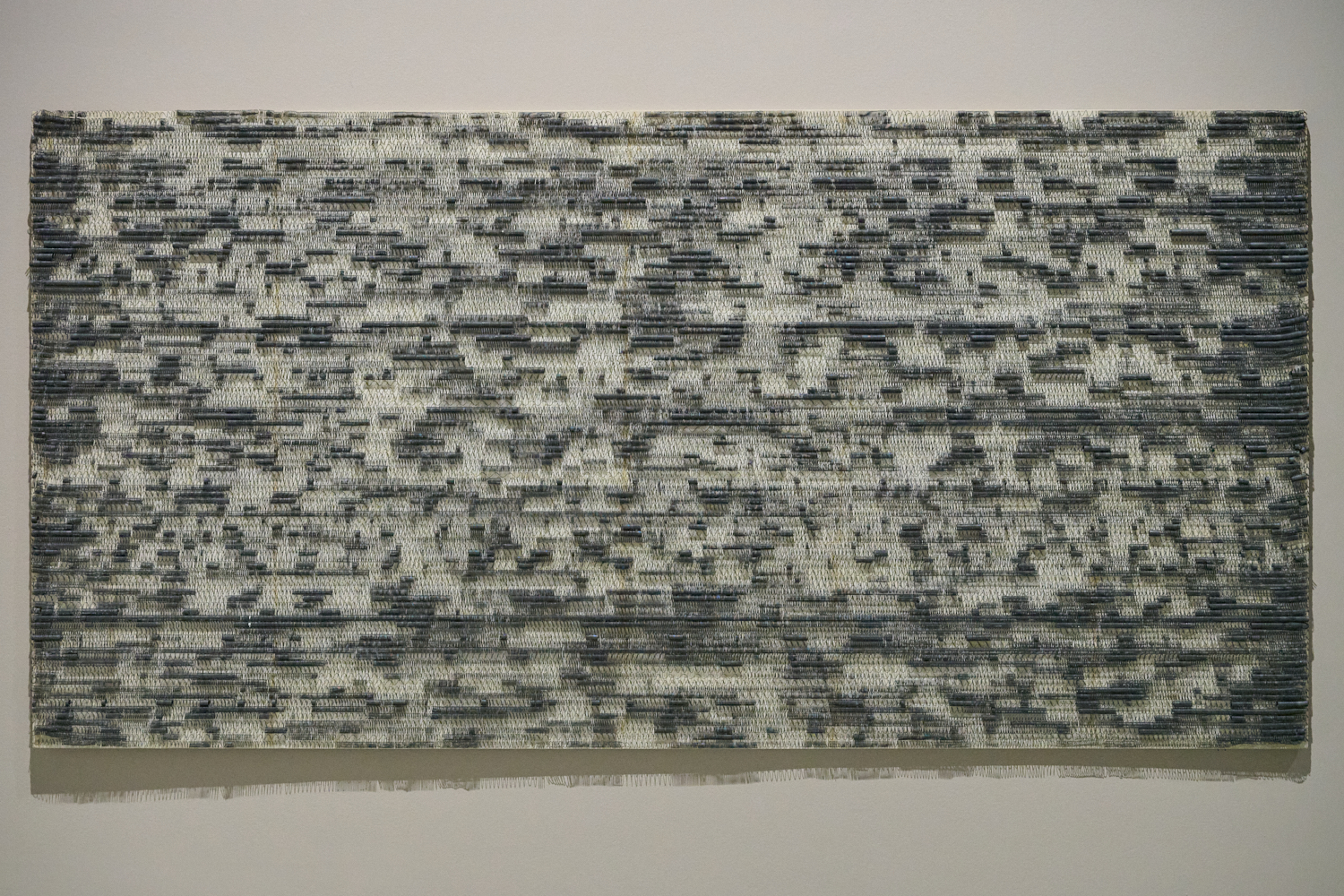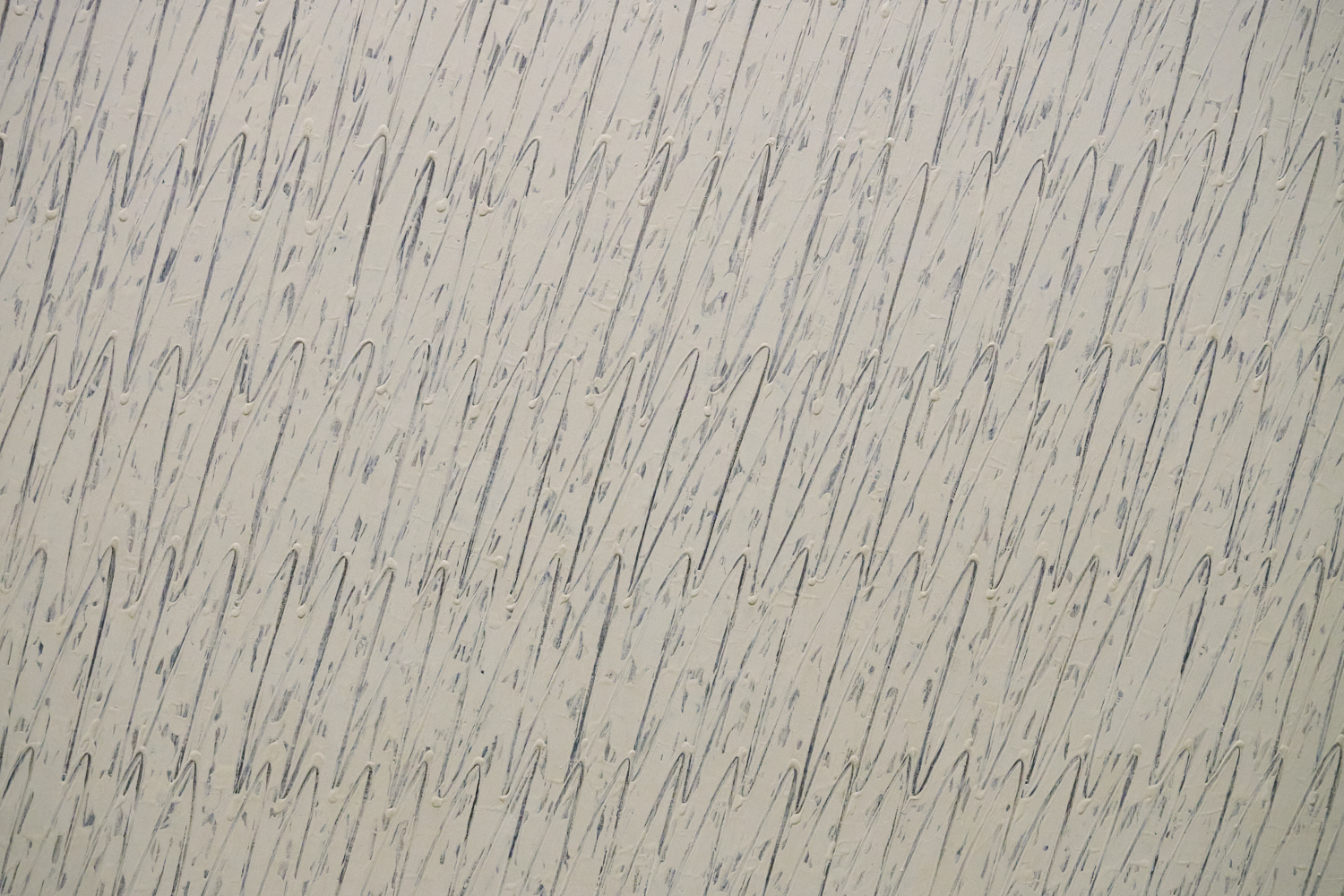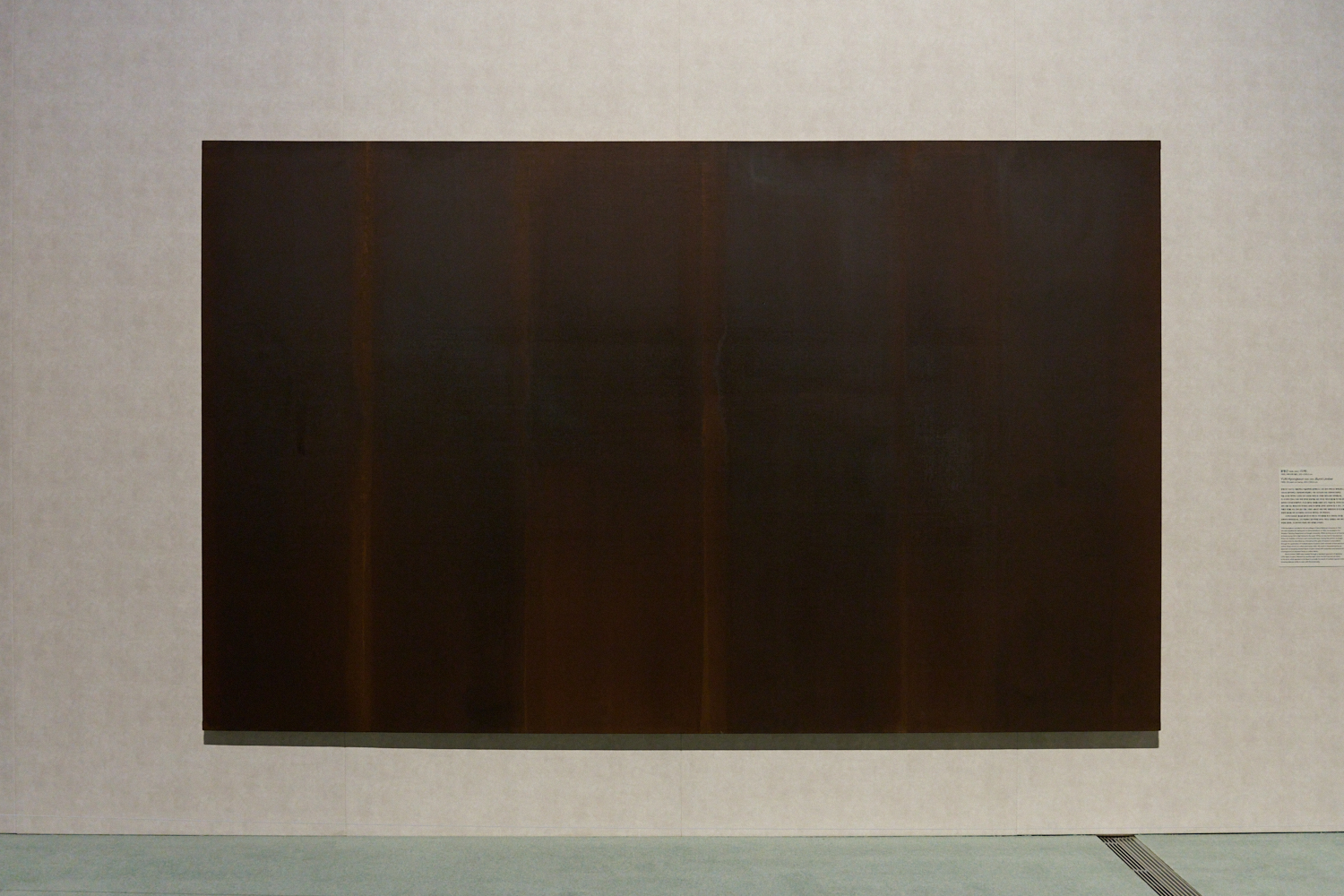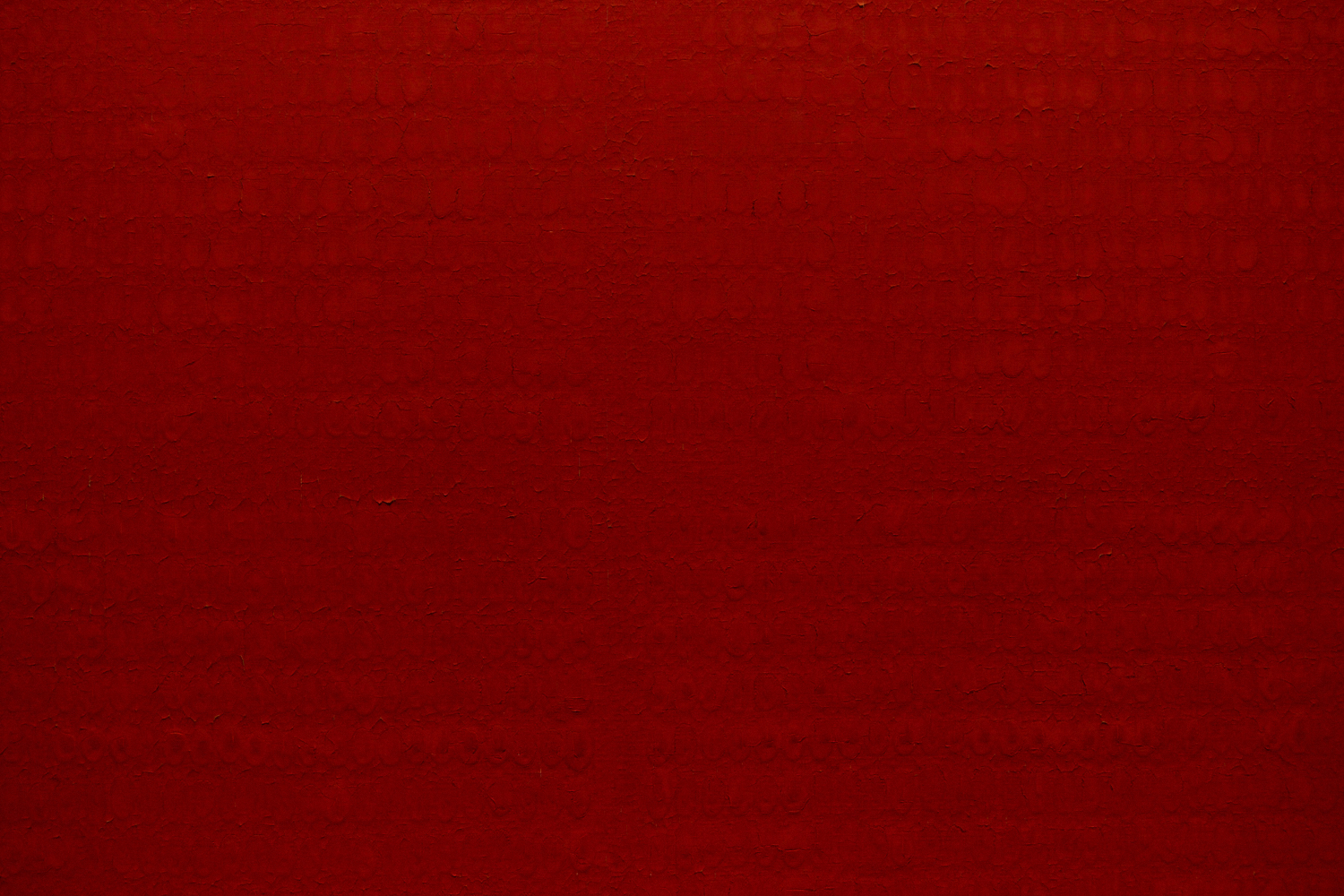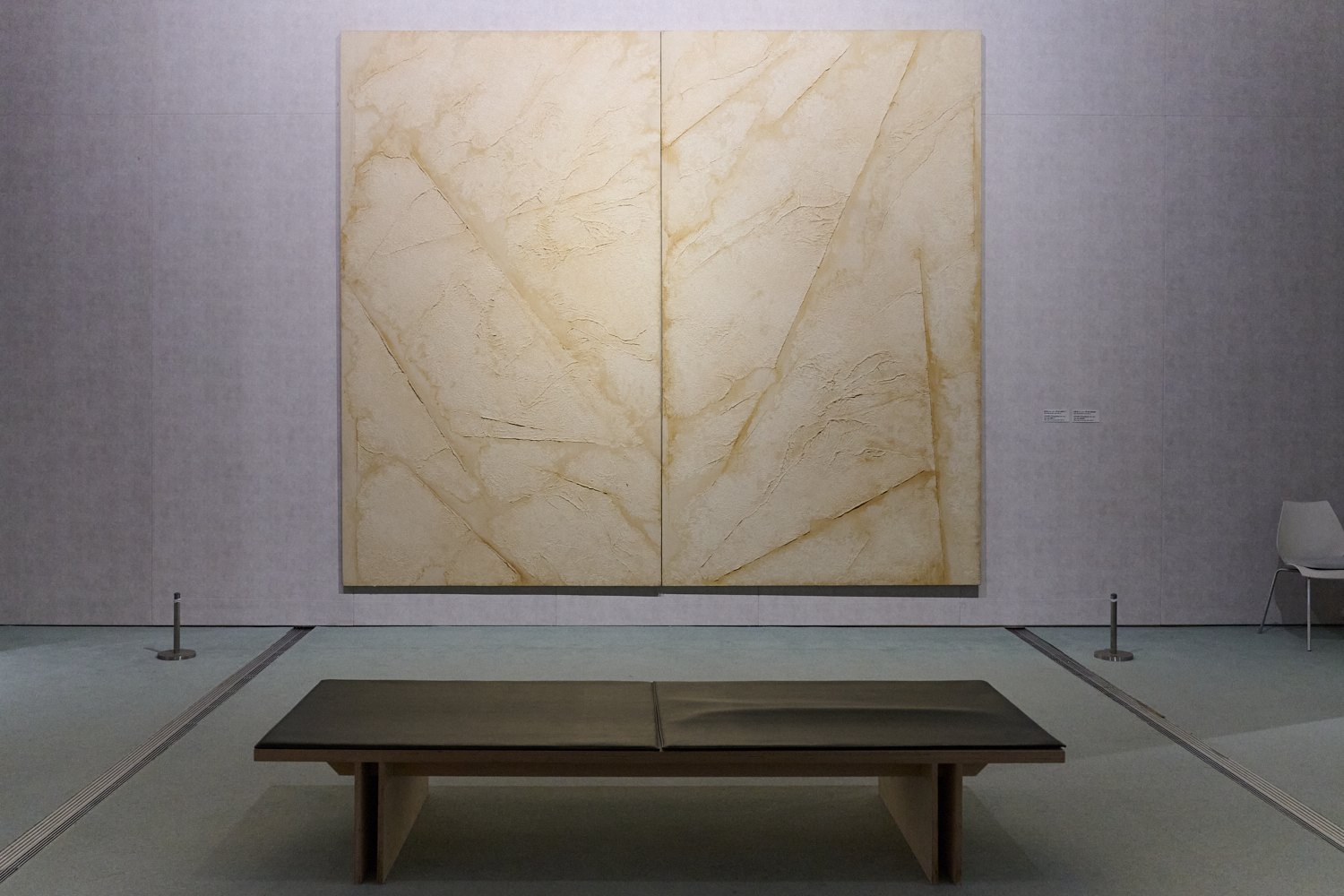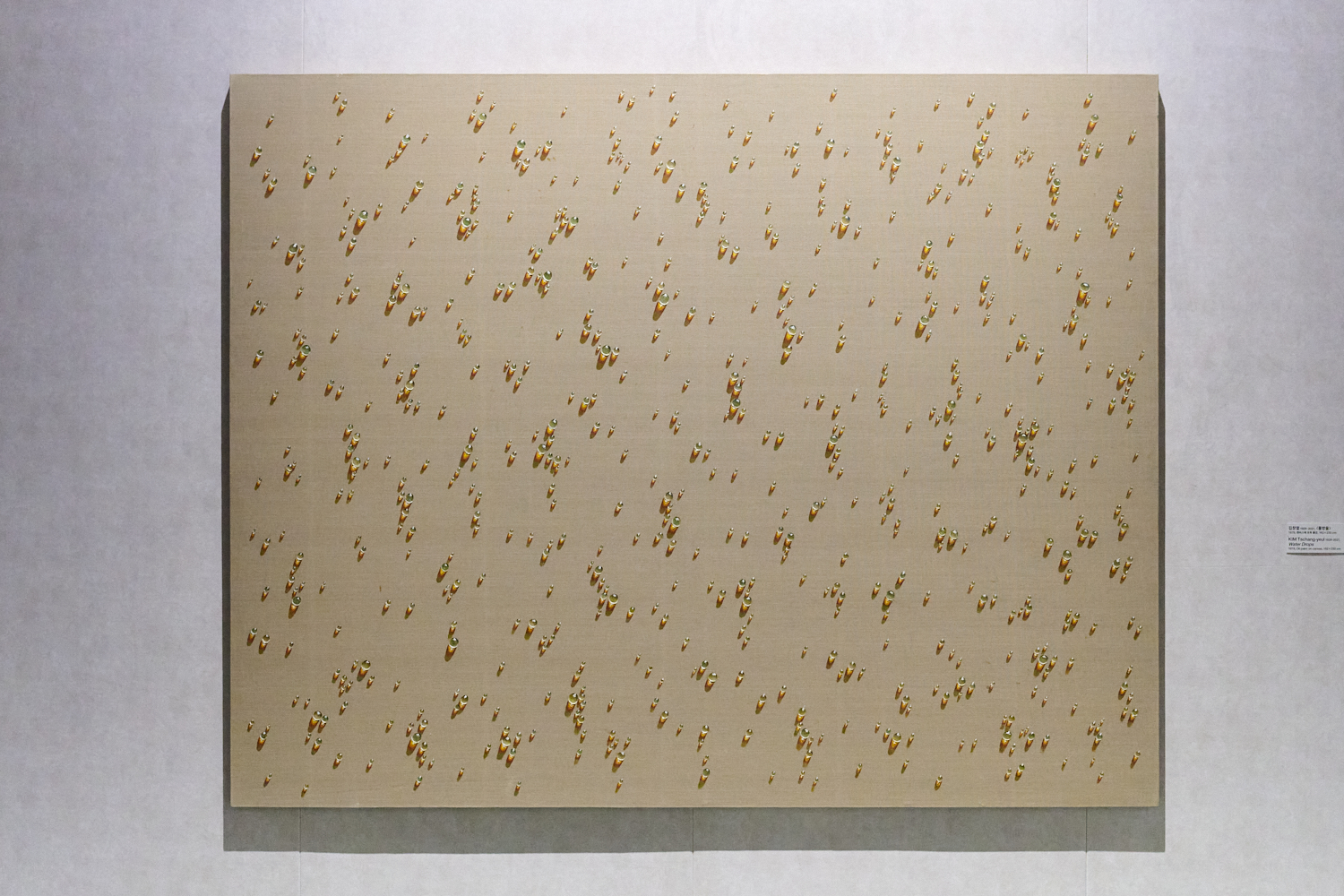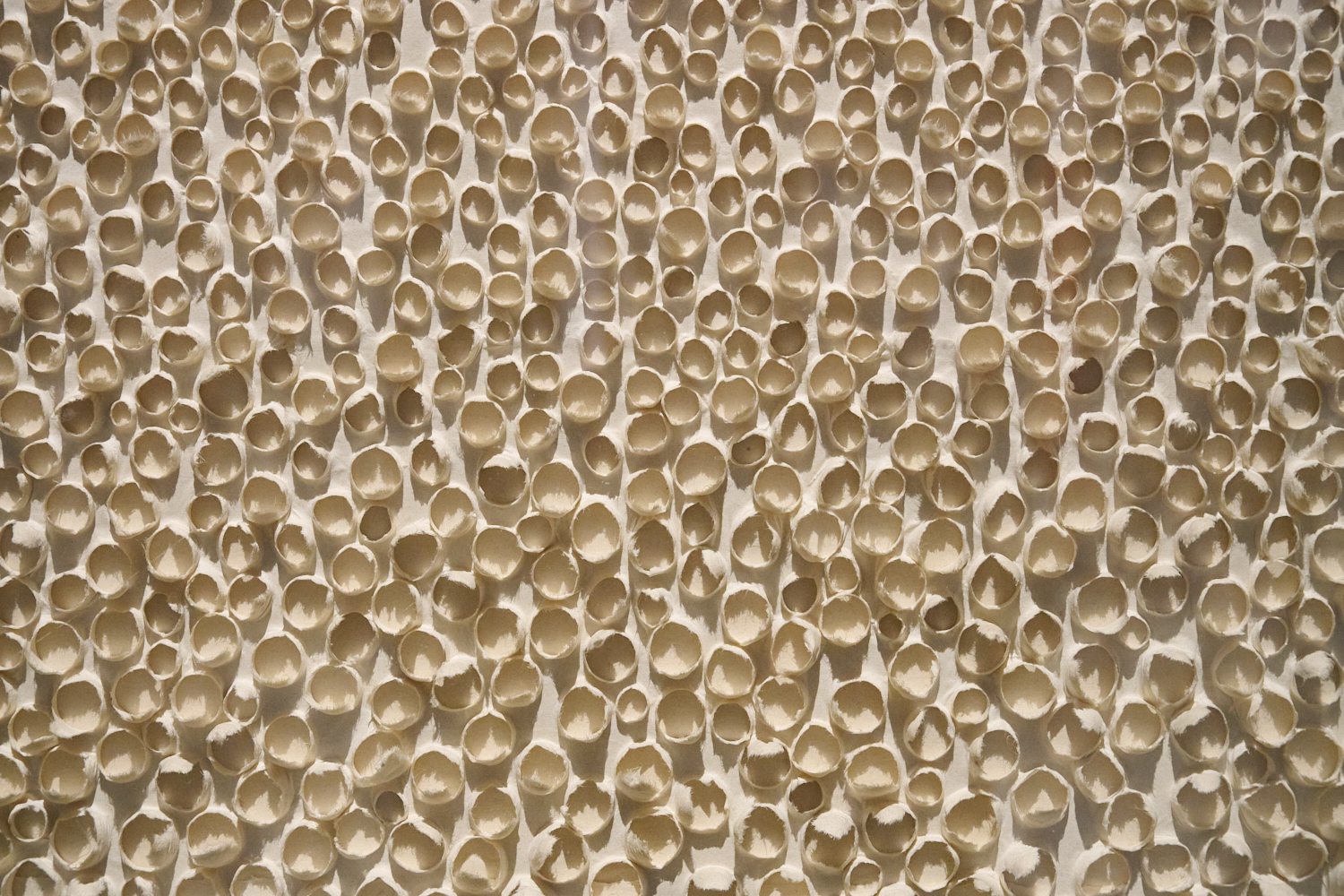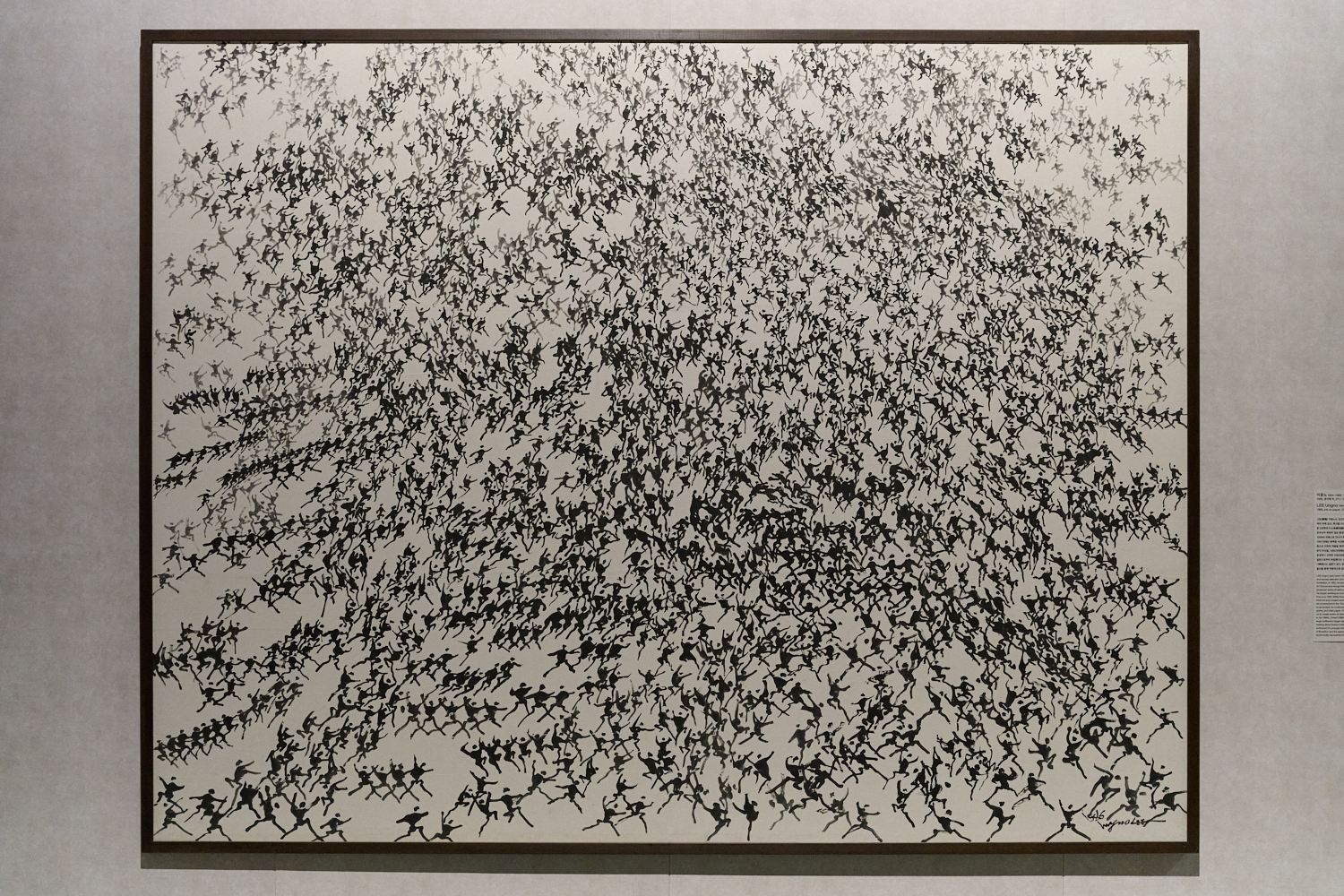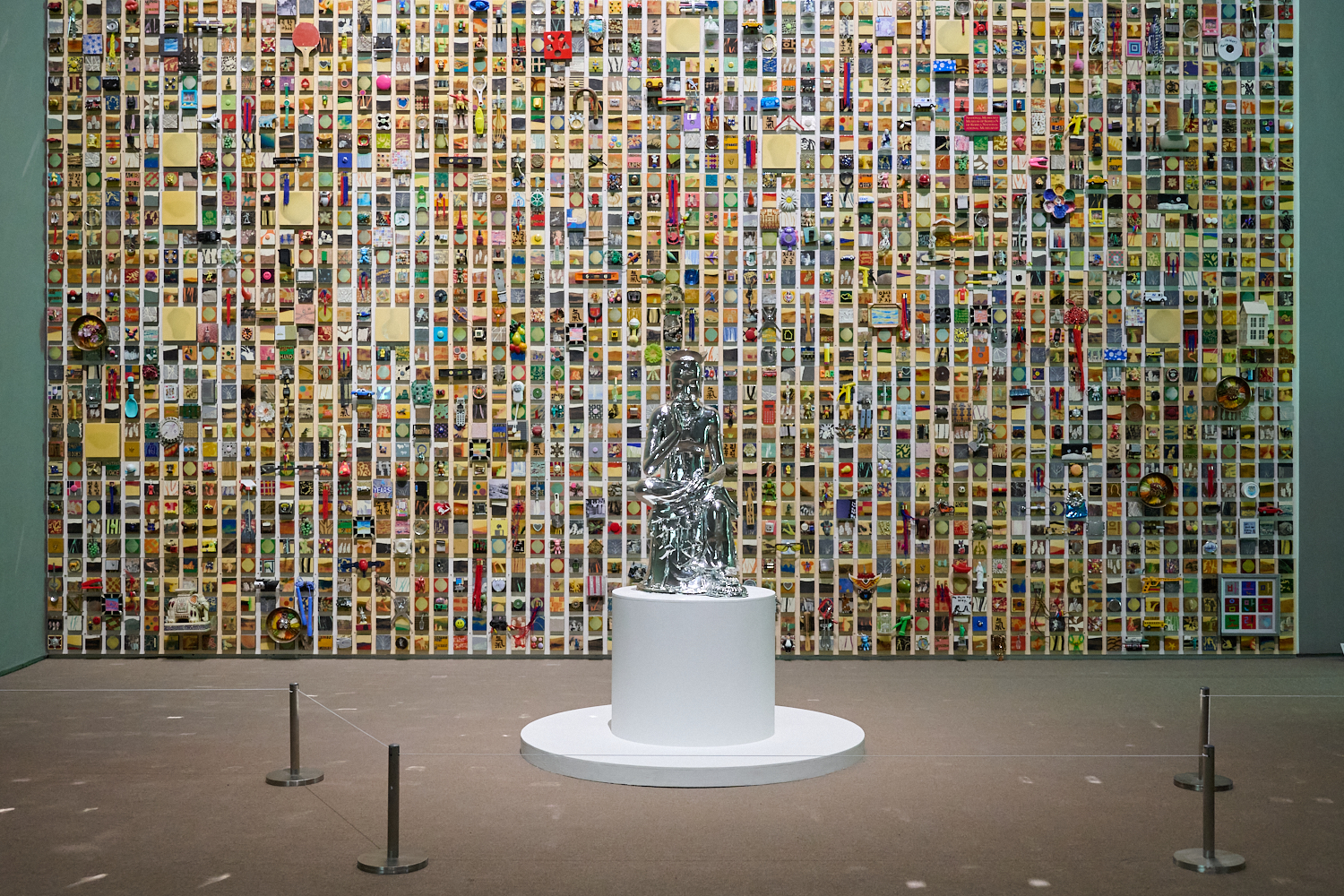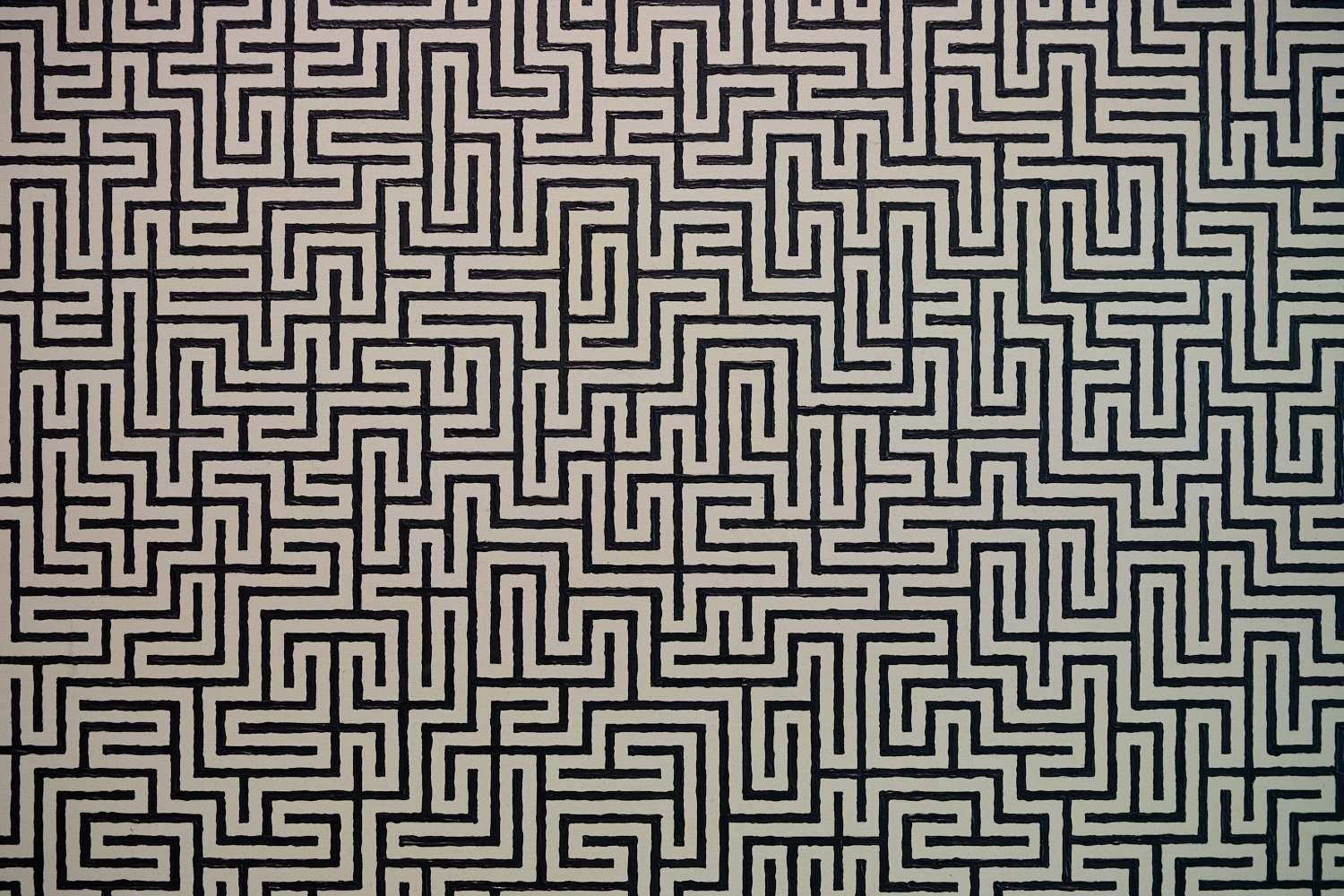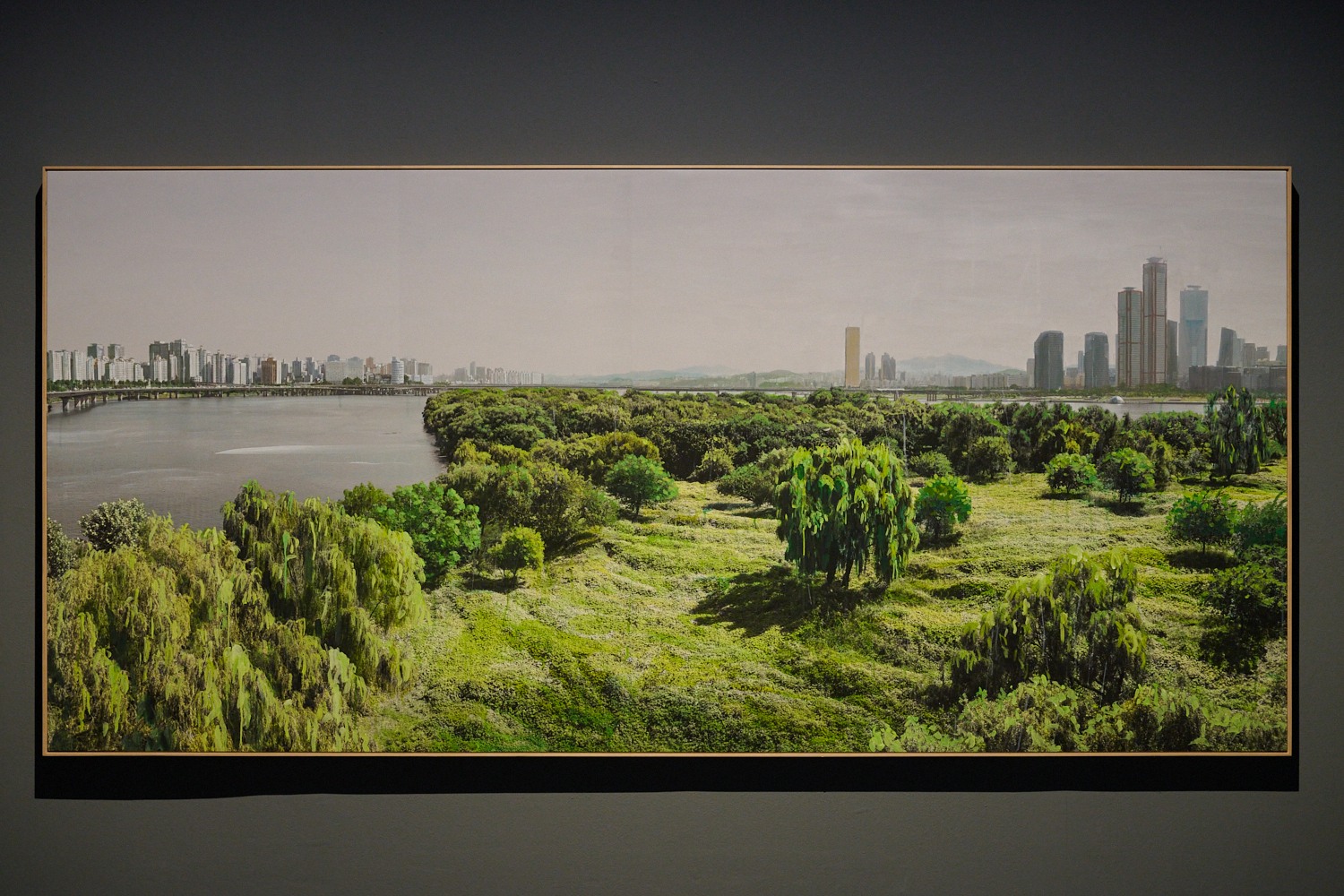
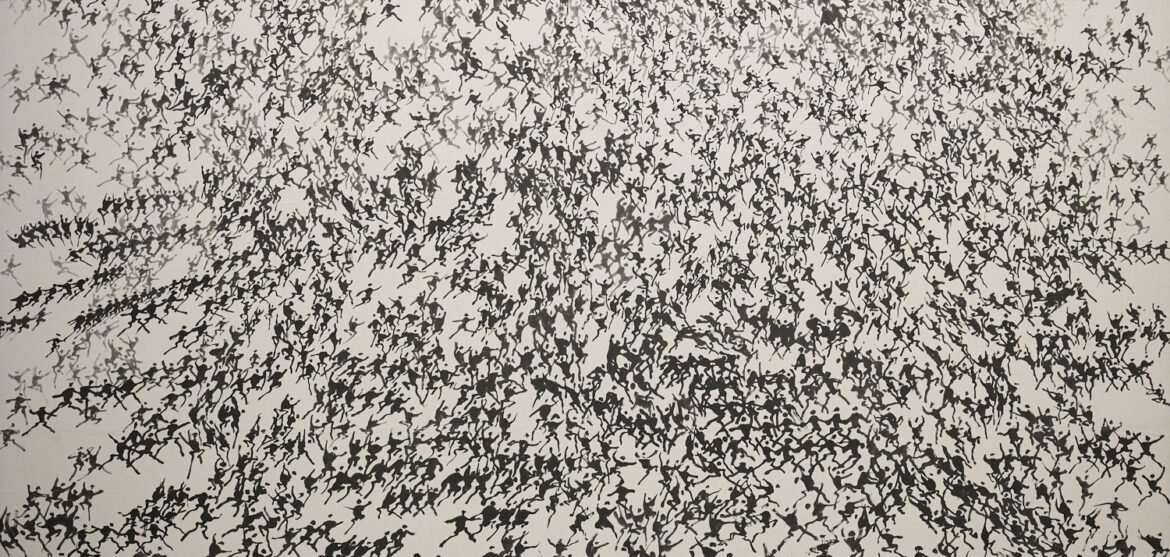
There are no words to describe the Korean art at the National Museum of Modern and Contemporary Art in Seoul. There are also additional MMCA museums in Gwacheon, Deoksugung and Cheongju. The Seoul branch, tucked discreetly beside Gyeongbokgung Palace in a low, restrained complex that defers entirely to its imperial neighbour, is the one most visitors find first – and rightly so. The galleries shift effortlessly between Nam June Paik’s electric meditations and the quiet rigour of the Dansaekhwa generation – Park Seo-bo, Lee Ufan, Ha Chong-hyun, Yun Hyong-keun – whose stained, scraped, repeated surfaces still feel like the most underrated chapter of late-twentieth-century painting anywhere in the world.
Gwacheon, the original mothership opened in 1986, sits in the green hills near Seoul Grand Park and rewards the trip out of town: large-scale sculpture in the open air, a permanent collection that traces Korean modernity from the colonial period onward, and Paik’s «The More the Better», a totemic tower of 1,003 monitors that has been lovingly resurrected after years of darkness. Deoksugung is the most romantic of the four – a colonial-era stone pavilion inside the palace grounds, dedicated to early modern Korean art and to the painters who had to navigate the wrenching first half of the twentieth century. And Cheongju, opened in 2018 inside a converted tobacco factory, pioneers the «open storage» idea: instead of hiding ninety per cent of the holdings in vaults, it puts the racks, the conservation labs and the climate-controlled shelves on view, so you watch the museum think.
Taken together, the four houses make the case – more persuasively than any biennale catalogue – that Korean contemporary art is not a wave riding behind K-pop and cinema, but a serious, long-running project with its own grammar, its own lineages and its own quiet obsessions. Worth a week. Possibly two.